“Working nights in public safety means you can go from calm to chaos in seconds. The hardest part isn’t the shift — it’s turning your brain off when you finally get home.”
If you’re a first responder, you know exactly what I’m talking about.
The calls don’t just stop when the shift ends. The adrenaline, the mental replay of things you heard or saw, and the stress of the job often follow you home. For dispatchers, police officers, firefighters, EMTs, corrections officers, and nurses, learning how to decompress after a shift isn’t a luxury — it’s survival.
Over the years I’ve learned that the key to leaving the job at the door is having a simple reset routine waiting for you when you get home. It doesn’t have to be complicated, but having a few things in place can make a huge difference in how quickly your body and mind come down from the chaos of the shift.
Here are a few things that have helped me and many other first responders reset after a long night.
1. The “End of Shift” Shower
For a lot of us, the moment the shift finally ends isn’t when we leave the building — it’s when we step into the shower at home.
A hot shower can help relax your muscles and start the mental transition from work mode to home mode. Many first responders swear by eucalyptus or menthol shower steamers because they help clear your head and create a quick spa-like reset without any extra effort.
It’s a simple habit, but it signals to your brain that the shift is officially over.
One of the simplest ways I’ve found to decompress after a long shift is using eucalyptus or menthol shower steamers.
If you’re a first responder, you know the feeling. You walk through the door after hours of adrenaline, stress, and nonstop radio traffic. Your brain is still running calls even though the shift is over. For me, the shower is the moment where I finally start to leave the job behind.
Shower steamers dissolve in the corner of the shower and release essential oils into the steam, creating a quick aromatherapy experience without any extra effort. Many steamers use eucalyptus or menthol oils that help open your airways, clear your head, and promote relaxation while you breathe in the steam.
I like them because they turn a normal shower into something that actually feels like a reset. The scent fills the bathroom in seconds, and the menthol cooling effect helps you breathe deeper and relax after a stressful shift. Some people even use eucalyptus aromatherapy to help reduce stress and improve mood after a long day.
What I really like about them is how easy they are. You don’t need a bath, diffuser, or extra time. Just drop one on the shower floor and let the steam do the work.
For first responders coming off overnight shifts, it’s a simple habit that helps signal to your brain:
The shift is over. It’s time to reset.

2. Hydration and Recovery
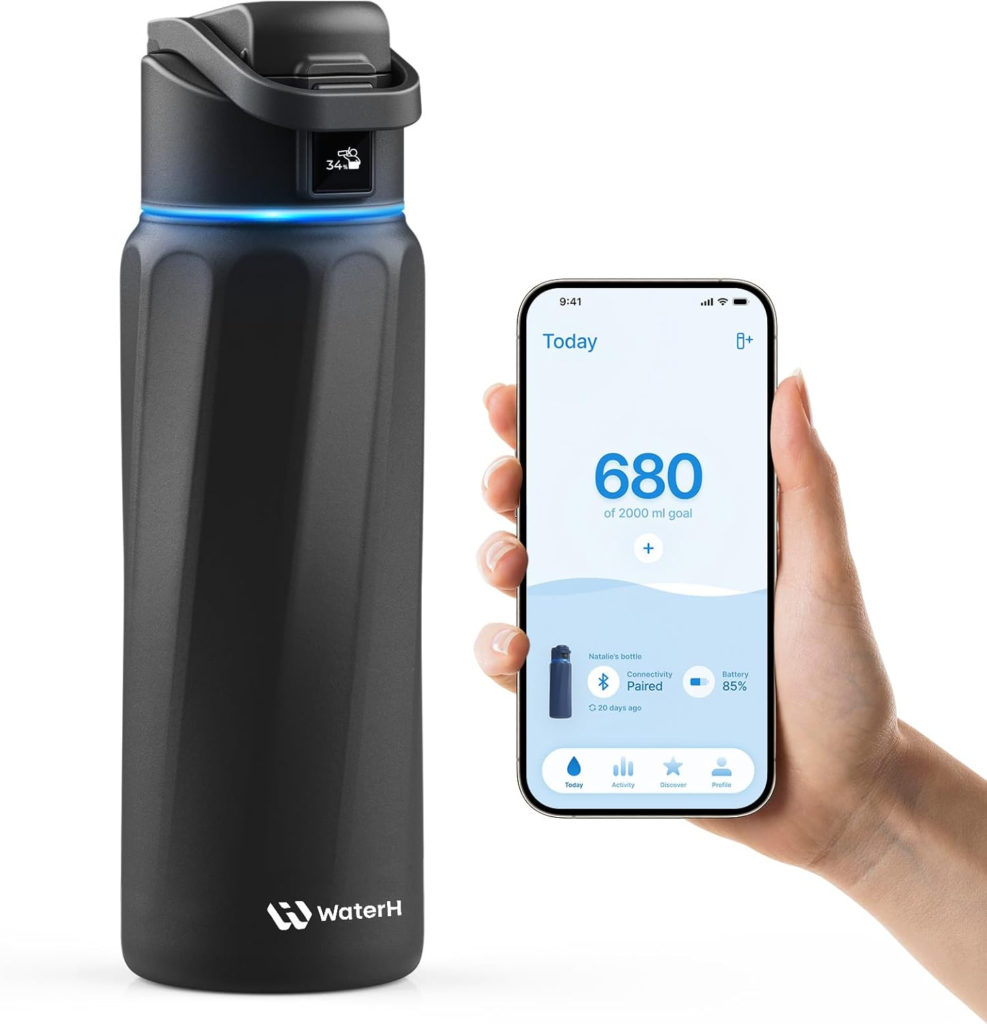
Long shifts often mean caffeine, quick meals, and not enough water. By the time you get home, your body is usually dehydrated and running on fumes.
Drinking water or an electrolyte drink when you get home helps your body recover and can reduce that drained feeling that sticks around the next day.
The problem is that even mild dehydration can lead to fatigue, reduced focus, slower reaction time, and headaches—all things that make recovery after a stressful shift even harder. Proper hydration helps maintain energy levels, supports cognitive performance, and improves overall recovery after long periods of stress.
When I get home after a long night, one of the first things I do is start rehydrating. It helps my body reset and replace fluids lost from caffeine, stress, and hours of sitting at the console or running calls.
3. Control the Lighting
One of the biggest mistakes people make after a shift is blasting bright overhead lights when they get home.
Soft lighting or smart bulbs that let you dim the room can help your brain start winding down. Especially for night shift workers, creating a calm environment is critical if you’re planning to sleep soon.
4. A Quiet Reset Moment
Many first responders try to jump straight into sleep after a shift, but sometimes the brain just isn’t ready yet.
Taking a few minutes to sit quietly, stretch, breathe, or even listen to calm music can help your nervous system settle down before trying to sleep.
Think of it as giving your mind a few minutes to catch up after hours of running at full speed.
5. Prioritize Sleep Like It’s Part of the Job
Quality sleep is one of the hardest things for first responders to maintain, especially for those working nights or rotating schedules.
Blackout curtains, comfortable bedding, and weighted blankets can make a huge difference in helping your body fall asleep faster and stay asleep longer.
If you take nothing else away from this article, remember this: recovery is part of the job.
Final Thoughts
Public safety careers are demanding in ways most people will never fully understand. We train hard to handle the chaos during the shift, but we rarely talk about how to take care of ourselves afterward.
Creating a small routine when you get home can help you decompress, protect your mental health, and make sure you’re ready to do the job again tomorrow.
Because at the end of the day, even first responders need a reset.